
Furniture built on the line between two countries.
LUMA started with two men, a rented shed in Jaigaon, and a stack of rubberwood most workshops in town didn't want to touch. This is how it became a catalog — and a way of working.
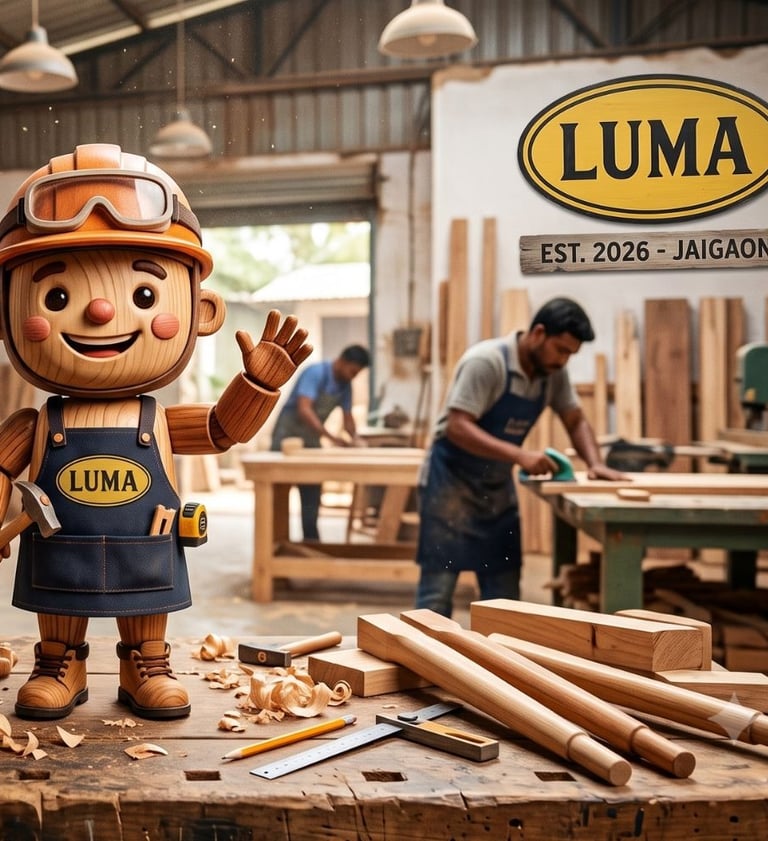
LUMA was founded by Afroj and Farman Ali in Jaigaon, a border town in West Bengal that most people only pass through on the way to Bhutan. This wasn't a first attempt at furniture for either of them. Afroj came in with 4+ years across management, operations, and sales inside the furniture trade — the kind of hands-on experience that teaches you where a workshop actually loses time and money. Farman Ali brought 9+ years in sales, which meant LUMA never had to guess what a customer would actually pay for, or push back on.
That experience is why the first pieces weren't just built and sold — they were tested against what both founders already knew from years on shop floors and sales counters. If a joint loosened or a drawer stuck, it came back to the workshop. That standard never really left.
JAI
Two founders who'd already spent years learning the business, before they ever built it themselves.
Jaigaon wasn't an obvious place to start a furniture brand. It's not a design capital or a manufacturing hub with an existing supply chain to plug into. But it sits exactly where two very different markets meet — and with Afroj running operations and Farman Ali reading what customers on both sides of the border actually wanted, that turned out to be the point, not the problem.
The workshop sits a short drive from the border crossing at Phuentsholing. A bed frame built on a Tuesday can be in a home in Jaigaon or across the checkpoint in Bhutan by the weekend. That proximity shaped the catalog from day one — sizes, finishes, and pricing that work for both sides of the line, not just one.
WHY HERE
One workshop, two countries' worth of homes to furnish.


Most of the furniture LUMA saw locally forced a choice: solid wood that cost too much, or engineered board that didn't last. The founders picked two materials instead of one, and built the catalog around using each for what it's actually good at.
MTL
Durable and affordable were never supposed to be opposites.
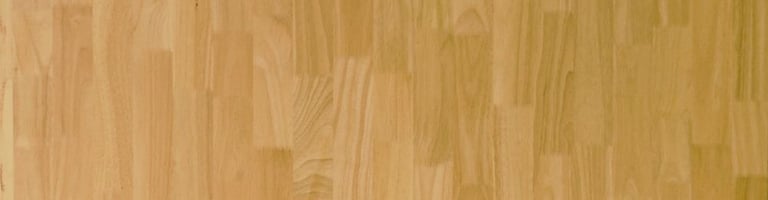


Rubberwood
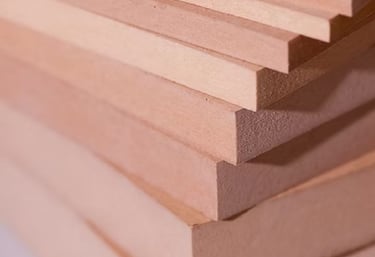
MDF / Engineered wood
Used where it earns its place — flat panels, storage units, dressing tables — keeping prices honest without cutting corners on the joinery.
Natural, Walnut, and Teak finishes. Dense, stable, and repurposed from trees past their latex-tapping years — so the wood is doing a second job, not a first one.
Lumo isn't a logo mascot dreamed up for marketing — the name stands for a habit Afroj and Farman Ali insisted on from the first batch: nothing leaves the shed until someone who didn't build it has checked it.
The Luma Way
Named after the one person in every workshop who checks the joints twice.
2
20
2
4
Founders, still hands-on
Bhutanese dzongkhags reached
Core materials, no shortcuts
Workshop, one standard
See what came out of that shed.
Beds, dressing tables, and storage furniture — built the same way the first batch was, just with a bigger catalog behind it.